
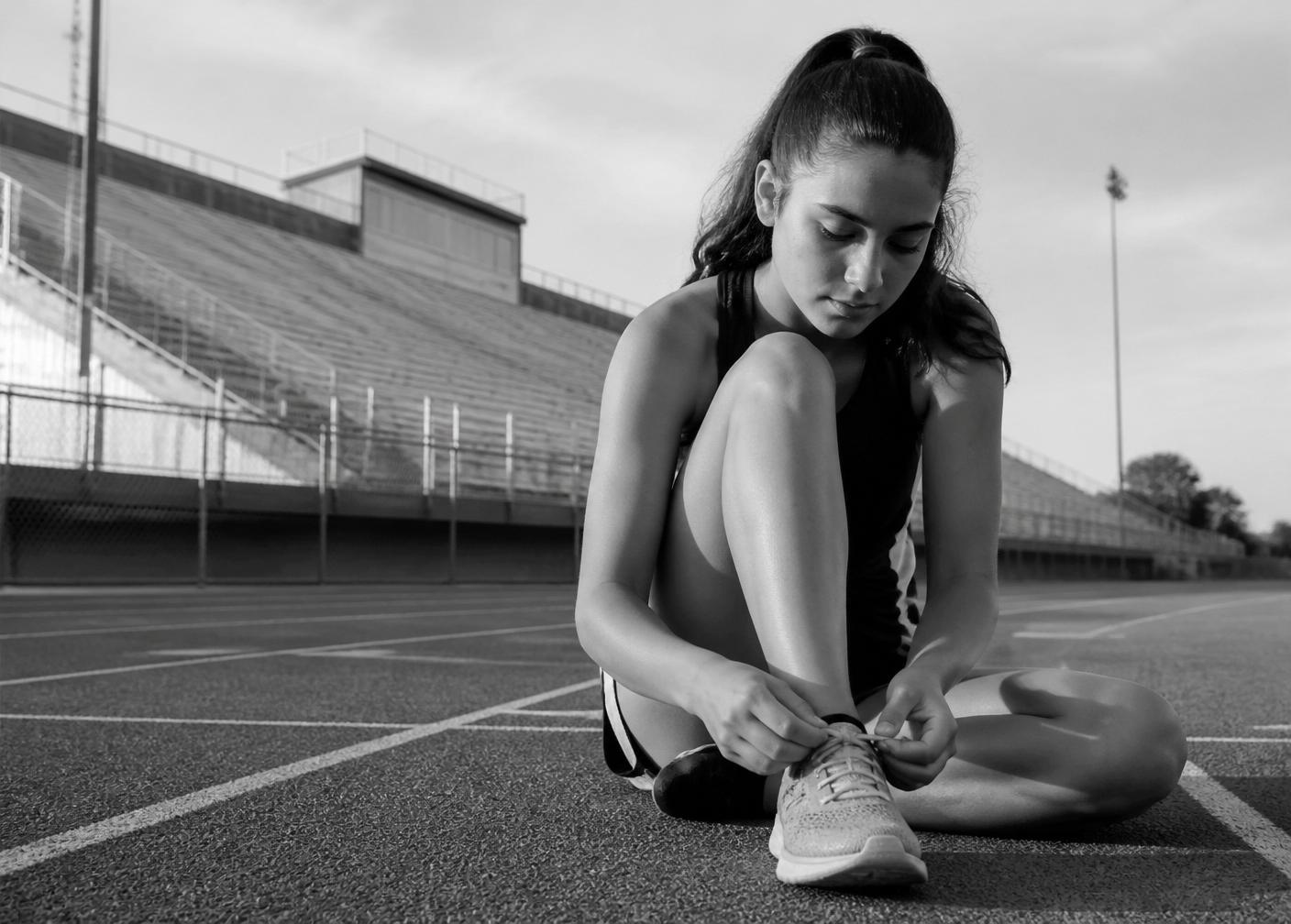
Girls tear their ACLs 4–8× more than boys — in the same sports.
This is not a mystery. It's a measurable, well-documented pattern. What's missing isn't evidence — it's the systems to act on it.
Click the hotspots. See what breaks — and what prevents it.
This isn't a diagram to read. It's a diagram to interrogate. Every marker unlocks the mechanism and the countermeasure.
How to read this
Four modifiable risk points
Every hotspot marks a structure or pattern that responds to structured neuromuscular training. Select one below — or tap its pin on the diagram — to read the mechanism.
Drag the divider. See the difference.
Two landings after the same jump. One protects the ACL — one loads it. Coaches trained by G-MIP can spot this in real time on the sideline.
Neutral landing
- Knee stays over the second toe
- Hips and glutes soak up the force
- Both legs bend evenly
Valgus collapse
- Knee drops inside the toe line
- Twisting load shifts onto the ACL
- Often worse when tired
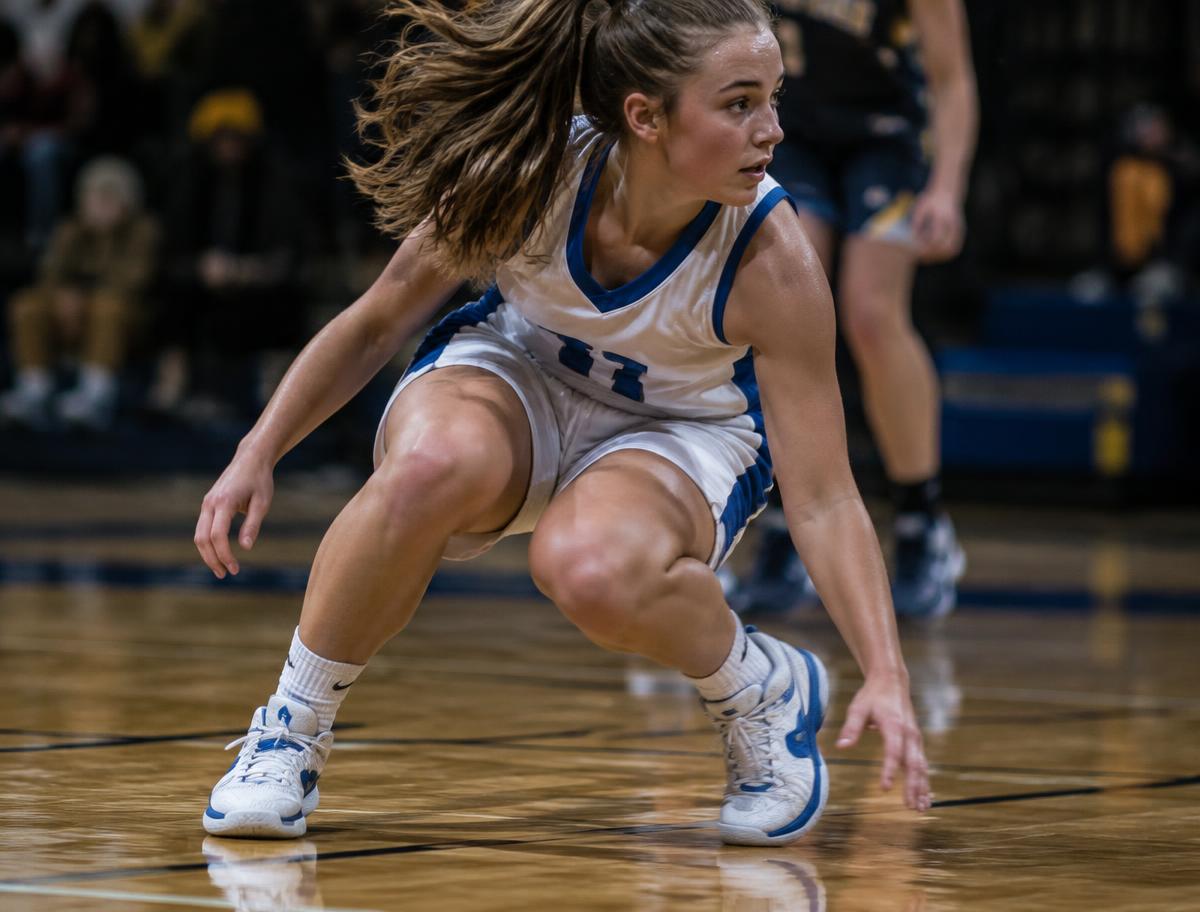
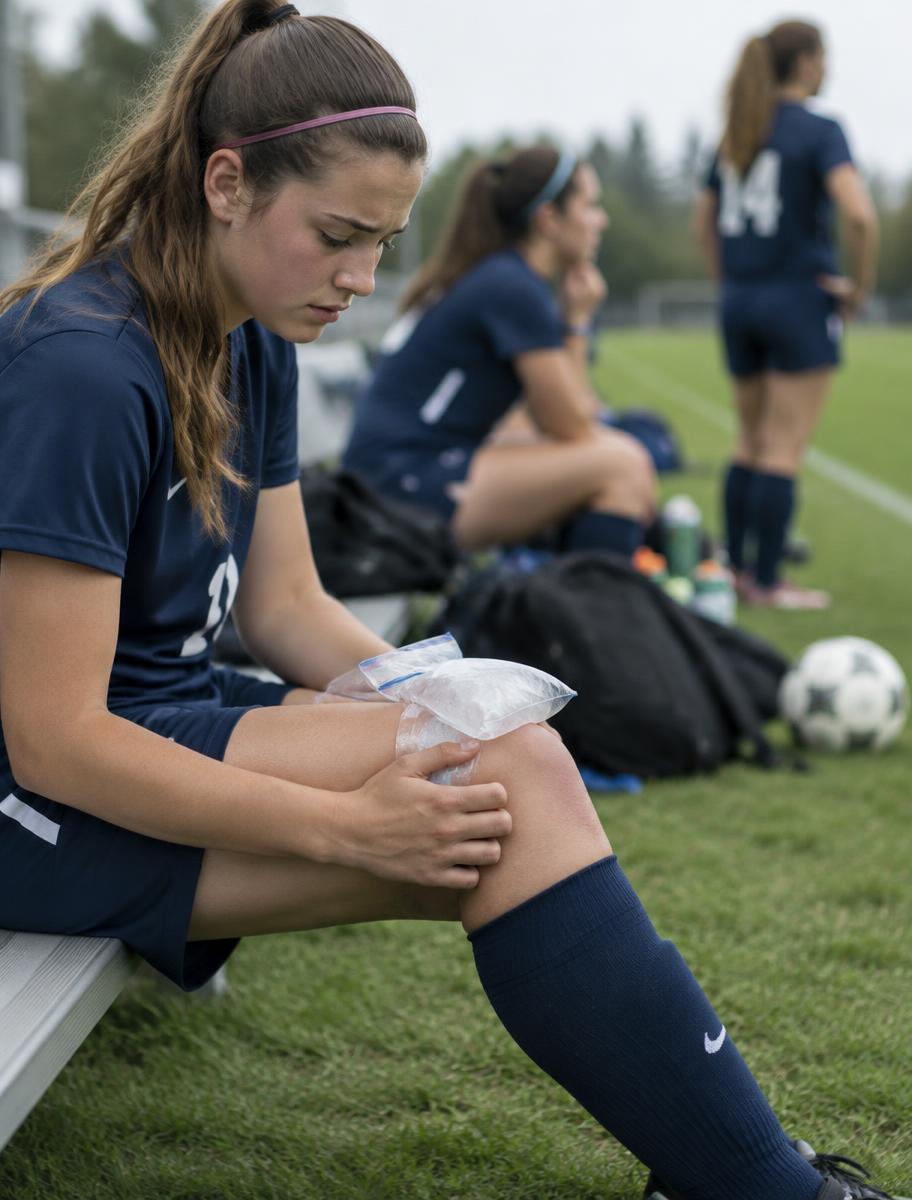
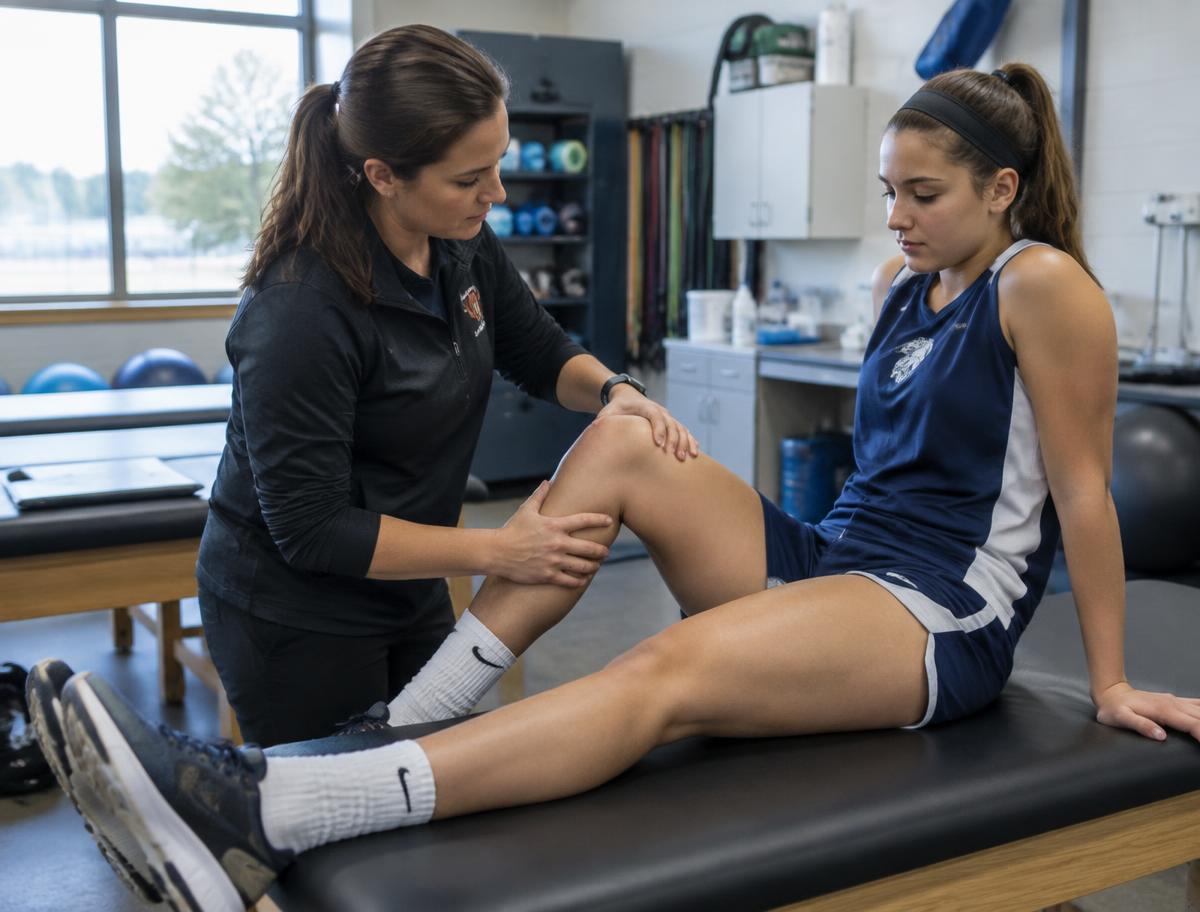
Why we can't wait
Every statistic is a season lost, a scholarship at risk, and a young athlete asking why nobody warned her.
Change the conditions. Watch the risk change.
Structured neuromuscular training can cut relative risk by 50%+. Move the toggles to see what that looks like across sports and age groups.
Sport
Training program
Age band
With no prevention program, Soccer stays at baseline risk for 15-17 female athletes. Try “Structured” to see the change.
Four factors. One system.
Not one of these is destiny — they're just realities the system has to design around. Pick a factor to see how G-MIP addresses it.
Wider pelvis, larger Q-angle, and different femur-to-tibia geometry create force vectors that concentrate stress at the knee — especially during single-leg landings and rapid direction changes.
- Q-angle averages 4–7° larger post-puberty
- Smaller intercondylar notch reduces ACL clearance
- Load pathways favor valgus collapse without training
It isn't a knowledge problem.
It's an implementation problem — the exact kind that community-scale programming can solve.
Research–Practice Gap
Peer-reviewed prevention protocols exist. Most coaches have never seen them.
Unequal Access
Athletic training and rehab resources are inconsistent across schools and zip codes.
Tool Deficit
Coaches want to help. They rarely have standardized, ready-to-run materials.
Growing Participation
More girls playing means more injuries unless systems scale with them.
Injuries have downstream costs.
Season loss, scholarship risk, mental health impact, dropout from sport — all measurable, all preventable.
Injured athletes report significantly higher rates of depression and anxiety during recovery.
A serious injury during adolescence sharply raises the likelihood of quitting sport altogether.
ACL reconstructions and rehabilitation carry a lifetime cost estimated in the tens of thousands per athlete.